Preparing Your Child for Reception: UK Essentials
Starting Reception class is a major milestone for both children and parents across the UK. As your little one transitions from nursery to “big school,” there’s much to consider beyond uniforms and lunchboxes. The British education system places a strong emphasis on early independence, social interaction, and emotional well-being during these formative years. To help your child settle in smoothly, it’s important to familiarise them with daily routines such as wearing their uniform, eating packed lunches or enjoying school dinners, and looking after their own belongings. Encourage your child to practise simple self-care skills like dressing, washing hands, and tidying up, as this will boost their confidence from day one. Additionally, take time to talk about what to expect at school, including making new friends, listening to teachers, and joining in group activities—these cultural norms will help ease anxieties and make the first weeks more enjoyable for everyone.
School Uniforms: Dressing for Success
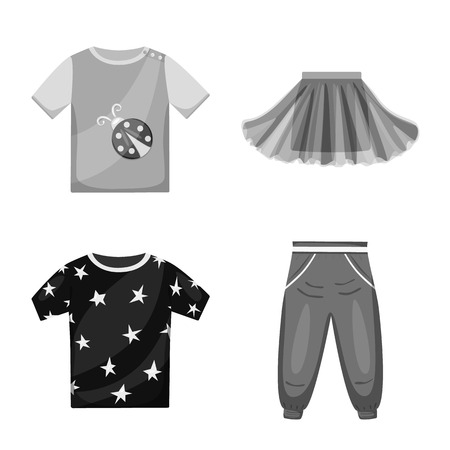
When your child starts Reception, understanding the school’s uniform expectations is essential for a smooth and confident start. Most UK primary schools have specific requirements regarding colours, logos, and styles. It’s best to check the school’s website or welcome pack for an official list of items before you start shopping.
Understanding Reception Uniform Expectations
Typically, Reception class uniforms include:
| Uniform Item | Usual Colour | Notes |
|---|---|---|
| Polo shirt or blouse | White or light blue | Logo optional depending on school |
| Jumper or cardigan | Navy, grey, or red | Often with school crest/logo |
| Trousers/skirt/pinafore dress | Grey or black | Choose easy-to-manage fastenings for little hands |
| Shoes (not trainers) | Black | Velcro preferred over laces for Reception age |
| PE kit (shorts & t-shirt) | Varies by school | Usually kept in a drawstring bag at school |
| Book bag | School colour/logo | Lightweight and easy to carry |
Shopping Tips for UK Brands and Second-Hand Options
You’ll find uniform essentials at British high street retailers such as Marks & Spencer, Sainsbury’s Tu, Tesco F&F, and Asda George. These stores offer multipacks for basics, helping you save money. For branded items like logo jumpers or book bags, check if your school has an official supplier or recommends a particular shop.
If you’re looking to save both money and the environment, second-hand options are widely available. Many schools host regular “pre-loved” uniform sales where parents can pick up gently-used items at a fraction of the cost. Local charity shops and online platforms like Facebook Marketplace or Uniformerly are also good sources.
Keeping Your Child Comfortable and Confident
Your child will be busy all day—learning, playing, painting, and running outside—so comfort is key. Choose soft fabrics with stretch that allow movement. Elasticated waistbands and easy-fastening shoes help foster independence in little ones learning to dress themselves. And don’t forget to label every single item clearly: lost property boxes fill up fast!
3. Packed Lunches and School Meals
As your little one begins Reception, navigating the world of school lunches can feel like a whole new adventure. Every primary school in the UK has its own approach to lunchtime, so it’s important to familiarise yourself with their specific policies before term starts.
Navigating School Lunch Policies
Most UK schools offer hot dinners, commonly referred to as “school meals,” while also allowing children to bring packed lunches from home if they prefer. There are often guidelines in place to ensure all food brought in supports healthy eating standards. It’s worth checking whether your child’s school is part of the government-funded Universal Infant Free School Meals scheme, which provides free hot dinners for children in Reception, Year 1, and Year 2. If you opt for packed lunches, be aware that some items may be restricted—nuts, for example, are usually banned due to allergy concerns.
Healthy Lunchbox Ideas
Packed lunches should be balanced and nutritious to keep little minds focused throughout the afternoon. Think wholemeal sandwiches with ham or cheese, veggie sticks with hummus, a piece of fruit, and perhaps a yoghurt. Swap sugary treats for oat bars or a homemade flapjack. Remember, many schools operate “no sweets” and “no fizzy drinks” policies, so water or milk is always a safe bet.
Allergies and Special Diets
With allergies on the rise, schools take food safety seriously. Always inform staff about any dietary requirements or allergens affecting your child. This helps prevent accidental exposure and ensures lunch supervisors know what to look out for. You might find that birthday treats are discouraged or replaced with non-food celebrations because of this.
Hot Dinners and Snacks: What to Expect
If your child opts for school meals, menus are typically published ahead of time so you can discuss choices together. Hot dinners usually follow a three-week rolling menu featuring British classics like roast dinners and shepherd’s pie alongside vegetarian options. Snacks at breaktime may include fruit provided by the school under the School Fruit and Vegetable Scheme, especially for younger pupils.
Whether you go for packed lunches or hot dinners, ensuring your child eats well at school is just another step on your journey as a Reception parent—and rest assured, UK schools are well-versed in supporting families through this transition.
4. Essential School Supplies
Getting your child ready for Reception means knowing exactly what needs to go into their school bag each day. While most UK primary schools provide a lot of the basics for Reception children, there are still some essentials you’ll need to send in from home. Here’s a parent-friendly checklist to make mornings smoother and ensure your little one has everything they need for a happy start at “big school”.
What Schools Typically Provide
| Item | Usually Provided? |
|---|---|
| Pencils & Crayons | Yes |
| Paper & Exercise Books | Yes |
| Glue Sticks & Scissors | Yes (child-safe) |
| Paints & Brushes | Yes |
| Reading Books (Scheme) | Yes |
What Your Child Needs From Home
| Must-Have Item | Details/Notes |
|---|---|
| Book Bag | A slim bag for reading books and letters; often available with the school logo. |
| Water Bottle | Name-labelled, leak-proof, filled with water only as per most school policies. |
| P.E. Kit Bag | Pump bag containing plimsolls/trainers, shorts, T-shirt – check if uniform colours are required. |
| Tissues or Handkerchiefs | Optional but handy for sniffles. |
| Spare Clothes (including underwear) | Essential in early weeks – accidents do happen! |
| Sunscreen/Hat (summer) | If applicable, labelled sunscreen and sunhat for outdoor play. |
| Mittens/Gloves & Hat (winter) | Name-labelled, especially for chilly playground days. |
| Lunchbox (if packed lunch) | Name-labelled; check school policy on nuts and healthy eating guidelines. |
Handy Tips for Parents:
- Label absolutely everything – lost property is a rite of passage in Reception!
- Avoid expensive items: supplies can get muddy, messy or even misplaced.
- If unsure whether an item is needed, check your school’s website or ask the class teacher during the welcome meeting.
- Your child may also need wellies and a waterproof suit if the school has a forest school programme or lots of outdoor learning.
Remember:
The goal isn’t perfection, it’s preparation! With these essentials sorted, your child will feel confident and ready to embrace every new adventure Reception brings.
5. Staying Organised: Labels, Lost Property and Communication
Keeping your child’s belongings safe and staying connected with their school life can feel like a juggling act, especially in Reception class. Labelling is your first line of defence—clearly write your child’s full name on every item, from jumpers and water bottles to book bags and lunch boxes. Iron-on or stick-on name labels are widely available in the UK, and many parents swear by them for their durability through frequent washes and rough playtimes. If handwriting labels, use a permanent laundry marker to avoid fading.
Even with diligent labelling, items can go astray. Familiarise yourself with the school’s lost property system; most schools have a dedicated box or area for lost items. Encourage your little one to check these regularly if something goes missing. It’s also helpful to do quick end-of-day checks before leaving school grounds to ensure nothing is left behind.
Effective communication is key for peace of mind. Establish how your child’s teacher prefers to communicate—many UK primary schools use digital platforms such as ClassDojo, ParentMail or email newsletters, while some may favour face-to-face chats at pick-up time. Don’t hesitate to introduce yourself early on and clarify any questions about routines or requirements. Consistent communication helps you stay informed about special events (like non-uniform days), changes to lunch arrangements, or reminders about PE kits.
By keeping belongings labelled, staying vigilant about lost property, and maintaining open lines of communication with teachers, you’ll set the stage for a more organised and less stressful start to Reception—for both you and your child.
6. Easing Separation Anxiety and Building Positive Routines
Emotional Preparation for Parents and Children
Starting Reception can be a big leap not just for little ones, but for parents too. It’s perfectly normal to feel a mix of excitement and nerves as the first day approaches. Talk openly with your child about what to expect – from trying on their new uniform to opening their lunchbox at school. Share stories about your own school days, focusing on the fun and friendships. For parents, connecting with other mums and dads in your area or class WhatsApp group can offer reassurance and support as you all adjust together.
Tips for Morning Goodbyes
Mornings can be a whirlwind, especially in those early weeks. Establishing a predictable goodbye routine helps children feel secure. Try practising your “goodbye ritual” before term starts – whether it’s a special hug, a secret handshake, or a cheerful wave at the classroom door. Keep goodbyes short but sweet; lingering can make parting harder for both of you. Remind your child when you’ll see them again (“I’ll be right here at pick-up time!”), so they understand that separation is only temporary.
Establishing Happy School Habits
Consistency is key to building confidence and independence. Set up a morning checklist together – laying out the uniform, packing the school bag, and making sure lunch is sorted. Involve your child in choosing snacks or filling their water bottle to foster responsibility. After school, carve out time to chat about their day over tea or while unpacking their bookbag. Celebrate small achievements, like remembering their PE kit or making a new friend, to reinforce positive experiences.
Supporting Emotional Wellbeing
If your child seems anxious, validate their feelings: “It’s okay to feel a bit nervous – lots of people do when starting something new.” Reassure them that teachers are there to help, and remind them of previous times they’ve been brave or tried something new. If worries persist, don’t hesitate to reach out to your child’s teacher for extra support or advice.
Building Resilience Together
The transition into Reception is as much about emotional growth as academic learning. By fostering open conversations, gentle routines, and moments of connection, you help your child step into this new chapter with confidence – and give yourself peace of mind along the way.