Introduction to Oral Thrush in Babies
Oral thrush, medically known as oral candidiasis, is a common fungal infection affecting the mouths of infants. It is caused by the overgrowth of Candida albicans, a yeast that naturally resides in the mouth and digestive tract but can multiply rapidly under certain conditions. In the UK, oral thrush is particularly prevalent among babies under one year old, especially those who are less than six months of age. The characteristic signs include white, creamy patches on the tongue, inner cheeks, and sometimes the roof of the mouth or gums. While generally not serious, oral thrush can cause discomfort for babies and may interfere with feeding. Prompt recognition and treatment are crucial as recommended by NHS guidelines, as untreated cases may lead to persistent infection or feeding difficulties. Addressing oral thrush early not only alleviates symptoms but also helps prevent complications and reduces the risk of spreading the infection within families or childcare settings.
2. Symptoms and Clinical Presentation
Oral thrush, also known as oral candidiasis, is relatively common in infants and can present with a variety of symptoms. According to NHS guidelines, recognising the typical signs early can help ensure timely intervention and reduce discomfort for your baby. Below is an overview of the most common symptoms and clinical presentation of oral thrush in babies, along with tips for caregivers on how to identify them.
Common Signs and Symptoms
| Symptom | Description | NHS Guidance Notes |
|---|---|---|
| White Patches | Creamy white patches inside the mouth, particularly on the tongue, gums, roof of the mouth, or inner cheeks. | These patches often resemble cottage cheese and cannot be easily wiped away. |
| Redness or Soreness | The areas under or around the white patches may appear red or sore. | Your baby might become fussy or uncomfortable during feeding. |
| Difficulty Feeding | Reluctance to feed, poor appetite, or unsettled feeding behaviour. | This may result from discomfort caused by the lesions in the mouth. |
| Mild Bleeding | Minor bleeding when attempting to wipe away white patches. | Avoid forceful cleaning as this can cause pain and further irritation. |
| Nappy Rash (Sometimes) | A persistent nappy rash that does not respond to standard treatments. | This may indicate a wider yeast infection affecting other parts of the body. |
How Caregivers Can Recognise Oral Thrush
- Inspect your baby’s mouth regularly: Look for unusual white spots, especially if your baby seems unsettled or reluctant to feed.
- Monitor feeding behaviour: Take note if your baby appears uncomfortable while sucking or refuses feeds more frequently than usual.
- Observe general wellbeing: Persistent fussiness or a nappy rash unresponsive to regular treatments could be linked to oral thrush.
- Avoid self-diagnosis: If you notice any of these signs, consult your GP, health visitor, or pharmacist for advice in line with NHS recommendations before starting any treatment at home.
When to Seek Further Advice
If symptoms persist for more than a week despite following basic hygiene measures, or if your baby appears unwell, dehydrated, or has difficulty feeding, it is important to seek medical attention promptly. Early recognition and management are key to preventing complications and ensuring your babys comfort and health as per NHS guidance.
3. NHS-Recommended Diagnosis Process
In the UK, the diagnosis of oral thrush in babies follows a structured process as set out by NHS guidelines. Healthcare professionals, such as GPs or health visitors, begin with a thorough clinical assessment. This typically involves taking a detailed medical history of the infant and asking parents about recent symptoms, feeding patterns, and any underlying health conditions or risk factors such as recent antibiotic use or breastfeeding issues.
The physical examination is central to the diagnostic process. Practitioners will gently inspect the babys mouth for characteristic signs of oral thrush, such as white patches on the tongue, inner cheeks, gums, or roof of the mouth. These patches often resemble cottage cheese and can be distinguished from milk residue because they are not easily wiped away and may leave red or sore areas underneath.
According to NHS protocols, further laboratory tests are rarely required for straightforward cases. Diagnosis is usually made based on the appearance of lesions and clinical presentation. However, if the condition is persistent, recurrent, or not responding to initial treatment, healthcare providers might consider swabbing the affected area for laboratory analysis to confirm Candida infection or rule out other causes.
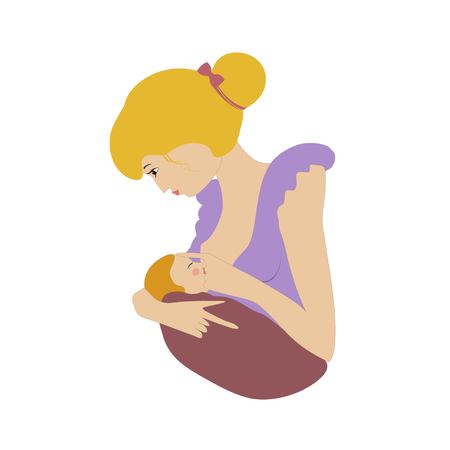
It is also standard practice for clinicians to assess for associated symptoms such as nappy rash or signs of infection in breastfeeding mothers (nipple pain or redness), which may indicate a need for simultaneous treatment. The NHS emphasises clear communication with parents regarding the benign nature of most cases and advice on preventing recurrence through good hygiene practices and feeding equipment sterilisation.
By adhering to these evidence-based protocols, UK healthcare professionals ensure accurate diagnosis while minimising unnecessary interventions for infants presenting with suspected oral thrush.
4. Treatment Options Following NHS Guidelines
When it comes to managing oral thrush in babies, the NHS outlines clear treatment protocols that prioritise both efficacy and safety. The mainstay of therapy is antifungal medication, but guidance also includes advice on supportive care and when to seek further medical attention. Below is a summary of recommended first-line and alternative treatment approaches as per current NHS guidelines.
First-Line Treatment: Antifungal Medications
The NHS recommends starting with antifungal agents specifically designed for infants. Nystatin oral suspension is typically the preferred first-line treatment, given its proven safety profile for young children. In some cases where nystatin is not effective or well-tolerated, miconazole oral gel may be considered, although it is only suitable for babies aged four months and older due to the risk of choking.
| Treatment | Age Suitability | Administration | Duration |
|---|---|---|---|
| Nystatin Oral Suspension | From birth onwards | Applied directly inside the mouth, usually 4 times daily after feeds | 7–10 days or until symptoms resolve |
| Miconazole Oral Gel | 4 months and older | Small amount applied inside the mouth, avoiding throat to prevent choking | 7 days or until symptoms clear (plus 2 days after symptom resolution) |
Alternative Approaches and Supportive Care
If the infection does not respond to initial treatment, or if there are concerns regarding allergies or intolerance, your GP may consider alternative antifungal agents or refer you to a specialist. Alongside medication, the NHS advises parents to:
- Sterilise all dummies, bottles, teats, and breast pump parts after each use.
- Practise good hand hygiene before and after caring for your baby’s mouth.
- If breastfeeding, treat any nipple thrush simultaneously to prevent reinfection.
- Avoid sharing dummies or feeding equipment between siblings.
When to Seek Further Medical Advice
The NHS recommends contacting your health visitor or GP if symptoms persist after one week of treatment, if your baby appears unwell, feeds poorly, or develops new symptoms such as fever. Early intervention helps prevent complications and ensures your baby’s comfort and wellbeing.
5. Home Care and Prevention Strategies
When managing oral thrush in babies, following proper home care is crucial for effective recovery and reducing the risk of recurrence. The NHS highlights several key practices that parents and carers should adopt to support their child’s healing process.
Keep Feeding Equipment Sterile
It is essential to thoroughly clean and sterilise all feeding equipment, including bottles, teats, dummies, and breast pump parts after each use. Use a steam steriliser or boil items in water for at least five minutes. This routine helps eliminate any lingering yeast that could reinfect your baby.
Practice Good Oral Hygiene
Even before teeth appear, gently wipe your baby’s gums with a clean, damp cloth or gauze after feeds. For breastfeeding mothers, regularly wash hands before and after feeds and keep nipples clean to avoid transferring infection back and forth between mother and child.
Maintain Cleanliness During Treatment
If your baby has been prescribed antifungal medication, ensure you complete the full course as directed by your GP or health visitor. Avoid sharing towels, muslins, or dummies with other children to prevent cross-infection within the household.
Monitor for Recurrence
After successful treatment, stay vigilant for signs of oral thrush returning, such as white patches inside your baby’s mouth or difficulty feeding. If symptoms reappear, contact your GP or health visitor promptly for advice on further management.
Promote a Healthy Feeding Environment
Avoid giving sugary drinks or sweetened dummies, as yeast thrives on sugar. Ensure your baby feeds in a clean environment and change bibs frequently to keep the mouth area dry and free from excess moisture.
By adhering closely to NHS recommendations for home care and prevention, parents can help their babies recover more quickly from oral thrush and significantly reduce the likelihood of future infections.
6. When to Seek Further Medical Advice
While most cases of oral thrush in babies resolve with appropriate treatment, it is crucial for parents and carers to know when further medical attention is necessary. According to NHS guidelines, you should contact your GP or health visitor if your baby’s symptoms persist despite completing a full course of prescribed antifungal medication, or if the thrush seems to worsen. Additionally, seek advice if your baby displays signs of dehydration—such as fewer wet nappies than usual, a dry mouth, or listlessness—or if feeding becomes increasingly difficult.
Be particularly vigilant for complications such as spreading of the infection to other parts of the mouth, throat, or even the nappy area. If your baby has an underlying condition that affects their immune system, such as being born prematurely or having certain chronic illnesses, prompt medical review is especially important. Unusual symptoms including fever, irritability, poor weight gain, or general unwellness warrant immediate assessment by a healthcare professional.
If you are ever unsure about your babys symptoms or how they are responding to treatment, do not hesitate to contact NHS 111 for advice. Early intervention can help prevent complications and ensure your child receives the care they need.