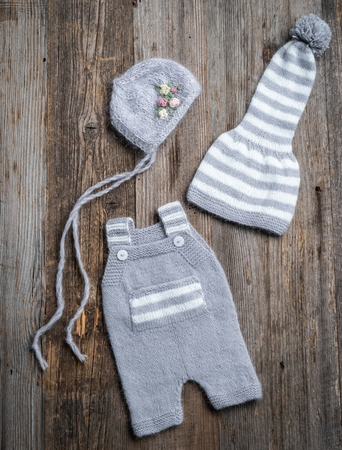
Introduction to Babywear Fabrics in the UK
Choosing the right fabric for babywear is a significant decision for parents across the United Kingdom. British baby clothing traditionally relies on a variety of textiles, with wool, cotton, and synthetic fibres being the most popular choices. Each material offers unique qualities that can impact an infant’s comfort, skin health, and overall wellbeing. Given the unpredictable British climate and heightened parental awareness regarding allergies and sensitive skin, selecting appropriate fabrics is more than a matter of style or tradition—it is essential for safeguarding infant health and supporting healthy development. This overview explores why fabric choice matters, considering breathability, temperature regulation, ease of care, and safety for delicate baby skin. Understanding these factors is crucial for parents aiming to provide the best possible start for their children in terms of both comfort and long-term health.
2. Advantages and Disadvantages of Wool
Wool has long been valued in British babywear, particularly due to the UKs temperate and often damp climate. Its unique thermal properties make it a preferred choice for parents seeking to maintain a stable body temperature for their infants throughout the variable British seasons.
Thermal Properties
One of wool’s primary advantages is its natural ability to regulate temperature. The structure of wool fibres allows them to trap air, providing insulation that helps keep babies warm in colder months while also permitting breathability during milder weather. This thermoregulation is especially beneficial given the UK’s unpredictable weather patterns, helping prevent overheating and cold stress—both crucial considerations in paediatric health.
Hypoallergenic Reputation
Wool is often considered hypoallergenic, making it suitable for many infants with sensitive skin or allergies. Its fibres naturally resist dust mites and mould, reducing exposure to common allergens found in British homes. Additionally, lanolin—a natural oil present in wool—provides an antimicrobial effect, further supporting infant skin health when compared to some synthetic alternatives.
Care Requirements
Despite these benefits, wool presents certain challenges regarding maintenance. Traditional wool garments may require hand washing or gentle cycles with specific detergents to avoid felting and shrinkage. In busy UK households, where quick-turnaround laundering is valued, this can be a disadvantage. Moreover, some modern wool blends offer machine-washable options but may compromise on natural purity.
Summary Table: Pros and Cons of Wool in British Babywear
| Aspect | Advantages | Disadvantages |
|---|---|---|
| Thermal Regulation | Excellent insulation; adapts to changing UK climates | May be too warm in rare heatwaves |
| Allergy Considerations | Hypoallergenic; resists dust mites and mould | A small minority of babies may have wool sensitivity |
| Laundry Care | Naturally odour-resistant; less frequent washing needed | Often requires special care or hand washing |
| Sustainability | Biodegradable; renewable resource from British sheep farms | Pesticide use on sheep can be a concern if not organic certified |
In summary, while wool offers compelling benefits for babywear in the UK—particularly for thermal regulation and allergy prevention—parents must weigh these against the garment care demands and potential sensitivities. Selecting high-quality merino or organic British wools may help maximise advantages while minimising drawbacks for infant wellbeing.
3. Pros and Cons of Cotton
Breathability and Comfort
Cotton is highly valued in British babywear for its exceptional breathability. This natural fibre allows air to circulate freely, helping to regulate an infant’s body temperature and reduce the risk of overheating—a crucial consideration in the UK’s variable climate. Its softness is another key advantage, providing gentle comfort against a newborn’s sensitive skin and reducing the likelihood of irritation or chafing.
Allergenic Potential
One of cotton’s notable strengths is its low allergenic potential. Pure cotton fabrics are generally hypoallergenic and less likely to provoke allergic reactions compared to some synthetic alternatives. For British parents concerned about eczema, atopic dermatitis, or other sensitivities common in infants, cotton is often recommended by healthcare professionals as a safe, skin-friendly choice.
Sustainability Concerns
Despite its popularity, cotton production is associated with several environmental challenges. Conventional cotton farming requires substantial water resources and often involves pesticide use, which can have ecological impacts both locally and globally. While organic cotton offers a more sustainable option, it typically comes at a higher price point, which may influence purchasing decisions for British families seeking affordable yet responsible babywear.
Popularity in British Babywear
Cotton remains the most widely used material in British baby clothing due to its trusted qualities—breathable, soft, and perceived as safer for delicate skin. However, growing awareness of sustainability issues has prompted many UK brands and consumers to consider organic or responsibly sourced cotton alternatives. Parents are increasingly weighing the benefits of cotton’s comfort and safety against its environmental footprint when choosing garments for their children.
Benefits and Drawbacks of Synthetic Fabrics
Synthetic fabrics such as polyester and acrylic have become increasingly popular choices for babywear in the UK. Their prevalence stems from a combination of performance, affordability, and practicality that fits well with the busy lifestyles and unpredictable weather typical in British households. However, these advantages are counterbalanced by certain drawbacks, particularly concerning skin health and environmental impact.
Performance in British Conditions
Synthetics excel when it comes to durability and moisture management. Polyester and acrylic fibres are resistant to shrinking and stretching, making them well-suited for frequent washing—a necessity for British families dealing with babies daily spills and accidents. Moreover, these materials tend to dry quickly, which is particularly beneficial during damp UK winters when outdoor drying is often impractical.
Affordability and Accessibility
Another key advantage of synthetic babywear is cost-effectiveness. Compared to wool or premium cotton, synthetic garments are typically less expensive while offering a wide range of styles and colours. This makes it easier for parents to stock up on essentials without straining their budget—a practical consideration given how quickly infants outgrow clothing.
Hygiene Considerations
Synthetics can be washed at higher temperatures than wool, reducing bacterial load and allergens—an important factor for sensitive baby skin. The table below summarises the comparative hygiene aspects:
| Fabric Type | Wash Temperature Tolerance | Drying Speed | Bacterial Retention |
|---|---|---|---|
| Polyester/Acrylic (Synthetic) | Up to 60°C | Fast | Low (when washed hot) |
| Cotton | Up to 40°C-60°C | Moderate | Moderate |
| Wool | 30°C (delicate) | Slow | Higher (unless specially treated) |
Potential Drawbacks: Skin Health & Environment
Despite their practical benefits, synthetic fibres can pose issues for babies with sensitive skin or eczema, as they may cause irritation or overheating due to limited breathability. From an environmental perspective, the reliance on fossil fuels for production and the shedding of microplastics during washing are also significant concerns among environmentally conscious British parents.
In summary, while synthetic fabrics offer undeniable convenience and value for money within the context of UK household routines, parents should weigh these benefits against potential risks to skin health and sustainability goals when choosing babywear.
5. Health, Safety, and Environmental Considerations
When choosing babywear fabrics in the UK, parents must weigh not only comfort but also health, safety, and environmental implications.
Medical Guidance on Baby Skin Health
The NHS and leading paediatric dermatologists emphasise that a baby’s skin is delicate and highly permeable. Natural fibres such as cotton and wool are typically recommended for their breathability and lower risk of irritation or allergic reactions. Organic cotton, in particular, is prized for being free from pesticides and harsh chemicals. Wool, especially merino, can offer excellent moisture-wicking properties and help regulate body temperature. However, some infants may experience sensitivity or itchiness with wool, making it essential to select soft, high-quality grades or blends.
SIDS Prevention and Fabric Choice
The Lullaby Trust and NHS highlight overheating as a significant risk factor for sudden infant death syndrome (SIDS). Breathable fabrics like cotton and certain types of wool can help reduce this risk by allowing heat and moisture to dissipate naturally. Synthetics, while often lightweight and easy to wash, may trap heat and moisture against the skin—raising concerns about overheating during sleep. It’s crucial to follow safe sleep advice: use fitted sheets made from breathable materials, avoid heavy bedding or multiple layers, and ensure the sleeping environment is cool.
Environmental Impact in the UK Context
With growing awareness of sustainability among British families, fabric choice has become a key environmental consideration. Cotton production requires significant water resources but is biodegradable if untreated. Wool is renewable but raises ethical questions about animal welfare and land use. Synthetics like polyester are durable and affordable but contribute to microplastic pollution in British waterways with every wash. Many UK parents now seek eco-certified or recycled fabric options to align with their values on sustainability.
Summary Assessment
Ultimately, British parents should balance medical recommendations for baby skin health and SIDS prevention with an understanding of the broader environmental impact. Selecting high-quality natural fibres where possible—and washing all new garments before first wear—can help protect both baby wellbeing and the environment.
6. Choosing the Best Fabric for British Babies: Practical Tips
When selecting babywear fabrics in the UK, it is essential to balance comfort, safety, and practicality. Parents and caregivers should consider several factors to ensure their choices align with NHS guidelines and local recommendations.
Prioritise Skin Health and Sensitivities
Babies have delicate skin that is prone to irritation and allergies. Opt for certified organic cotton or high-quality merino wool, both known for their hypoallergenic properties and breathability. When considering synthetics, look for OEKO-TEX®-certified options that guarantee the fabric is free from harmful chemicals.
Consider the British Climate
The UK’s variable weather demands adaptable clothing. Wool offers excellent insulation during colder months but may be too warm during summer. Cotton is versatile year-round but can retain moisture, which might not be ideal in damp conditions. Synthetics dry quickly and can be layered efficiently, but avoid them as a base layer if your baby has sensitive skin.
Check for Safety Standards
Always choose babywear labelled with British or European safety standards (such as BS EN 14682) to reduce risks of choking hazards and ensure fire safety compliance, particularly for sleepwear.
Ease of Care
Busy families may benefit from fabrics that are machine washable and durable. Cotton and most synthetics are easy to launder, while wool requires more careful handling—choose machine-washable wool blends if convenience is a priority.
Cultural Considerations
Traditional British babywear often favours classic designs in soft pastels or neutral colours. Choose styles that reflect your family’s values while also meeting practical needs—layering is particularly popular due to fluctuating temperatures.
Summary Recommendations
No single fabric is perfect for every situation. For everyday wear, cotton or cotton-rich blends are a safe bet. Wool is best for cold outings or overnight warmth. Use synthetics sparingly and always check garment labels for any potential allergens or irritants. Ultimately, choosing the right fabric means considering your baby’s unique needs, the British climate, and reputable UK health advice.